I find the entrepreneurial leaders others overlook.
For twenty years I researched why people do what they do. Now I help owners and investors find a leader who drives the business forward on their own. I look at what people do, not at what they say.

“The best candidate doesn't apply. You have to find them and win them over.”
Maartje SchenkelsThe best interview wins. Not always the best leader.
Hiring processes reward people who sell themselves well. A confident story and a tidy CV get you a long way. But what does someone do when nobody tells them what to do? In a PE portfolio company, a family business or a scale-up, you find out fast.
of executives hired from outside leave or fail within eighteen months.
as likely to be chosen as CEO if you come across as confident. It doesn't show up in performance.
of private equity firms replace the CEO before they sell the business.
Behaviour, not stories.
No pile of CVs, no standard questionnaire. I look at people as a researcher and as an entrepreneur.
A researcher's eye
Twenty years of market research taught me one thing above all: people tell you what they think you want to hear. Candidates too. So I don't ask what someone would do. I ask what they did, and I keep asking until it gets specific.
An entrepreneur myself
I ran a research agency and sold its panel business. Then I built LOADS.amsterdam into seven locations and more than a thousand clients. I recognise drive because I know what it's like to carry a business yourself.
I know customers and employees
I did research for more than 300 Dutch brands, mostly in real estate, consumer goods, pharma and retail. Davitamon, McDonald's and Schiphol were among them. For many of them I did both the consumer research and the HR research. So with a consumer brand, I know the market your new leader has to win in.
The brief comes first
I'm not a yes-woman, but I am a people person. I ask the hard questions about the role first, shareholders included. Only then do I start searching.
The hidden entrepreneur
Plenty of managers do fine as long as someone else sets the course. At the top you have to do that yourself, and that is where they get found out. I look for the opposite: people who stand out less in a hiring process but drive things themselves.
- Built something nobody asked for
- Took a career risk: a smaller company, a turnaround, their own business
- Got results with few resources
- Talks openly about a failure and what came of it
- Makes decisions without all the facts, then delivers
- Number twos who want to lead
- Founders who have already grown their brand
- People from adjacent sectors
- Entrepreneurs from my own network of founders
Look beyond the usual paths and you find people beyond the usual profile. A welcome side effect: a more diverse shortlist.

AI gives you names. I find the one who can really do it. And I know how to win them over.
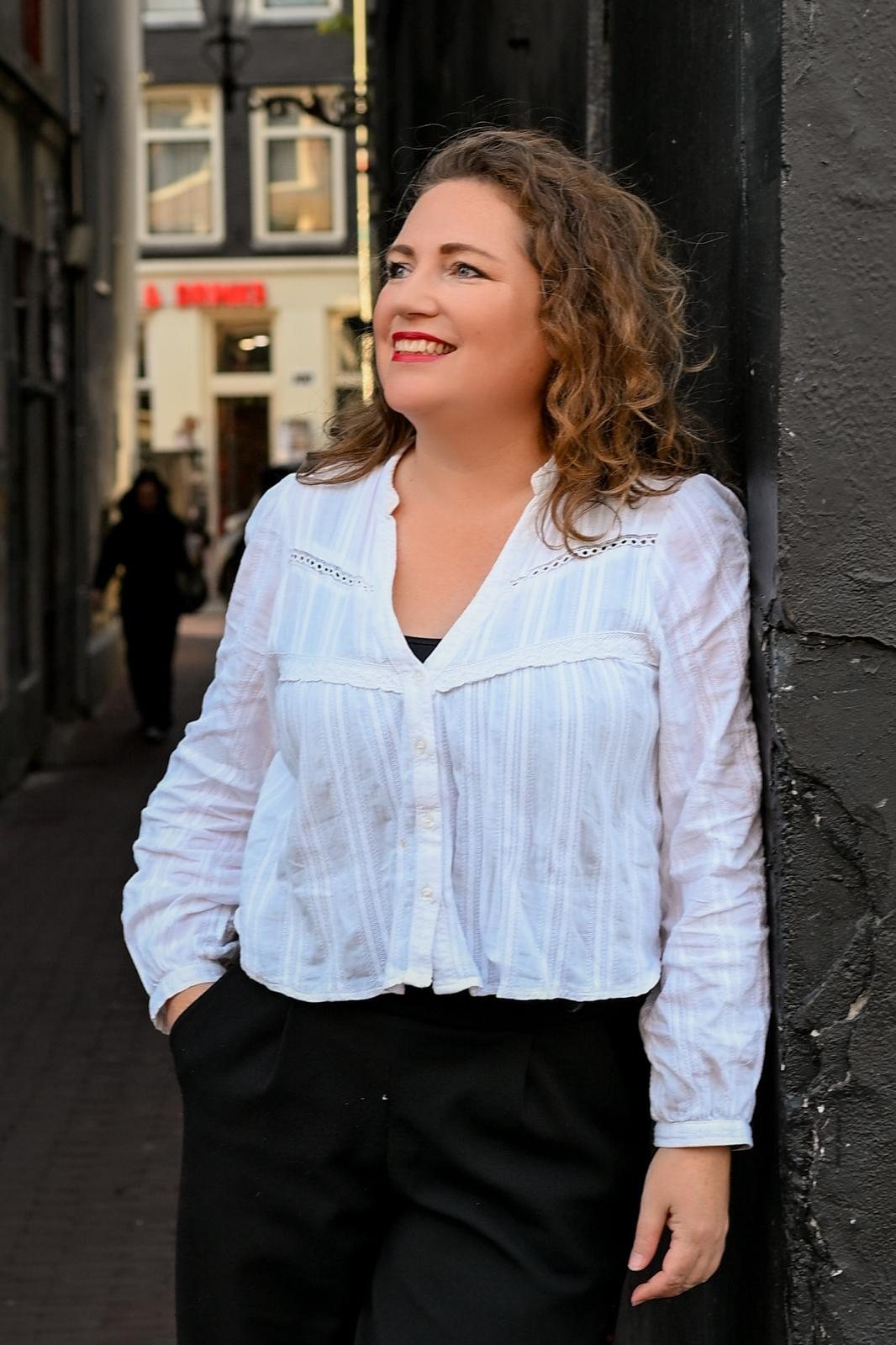
“How someone talks about a failure tells you more than their CV.”
From researcher to entrepreneur to headhunter
I don't have a straight corporate career. I'm the kind of entrepreneur I look for.
Researcher
At Motivaction I researched values and lifestyles. Later, with my own agency, I worked for real estate and consumer brands, ministries and municipalities.
Entrepreneur
With my business partner I ran research agency Centron. We sold the panel and fieldwork business to Respondenten.nl, now part of Norstat. Then I started LOADS.amsterdam, a label for the temporary use of buildings, with coworking and events for startups and creatives. I also set up letting and operations for other parties.
Matchmaker
I'm curious through and through. It helps me understand quickly what people do and why. And I see which people bring out the best in each other. I started out as a recruitment consultant. With The Point of Research I matched assignments with the best researchers in my network. Executive search grew out of that.
I also sit on the supervisory board of Stichting Het Salon Ateliers and I'm part of the Fuckup Nights Amsterdam team.
Fair's fair.
I started out as a social geographer. I wanted to understand how people live together, and why some get more chances than others. I never lost that sense of fairness.
I'm also an entrepreneur. Money has to be made. Sometimes you have to make hard choices. The two clash less often than people think.
I have opinions and I share them, even when you'd rather not hear them. I'm honest with you and honest with candidates. If someone doesn't get the job, they hear it from me in person, with the real reason.
Maartje
A shortlist with evidence in 6 to 8 weeks
No black box: you see what I do and why.
Getting the brief right
I talk to the shareholder, the board and the team, and I get to know the market and the customer. What does this leader need to set in motion in the first 100 days? And what is the team missing now?
Mapping the market, making the calls
AI helps me map the market quickly. Then I make the calls myself: to the familiar names, and to the people others skip.
Testing behaviour
Structured interviews about what someone actually started. A practical assignment based on a real issue in your business. Eight to twelve reference calls per finalist. The psychological assessment follows the method you already use, or your own model. If you wish, I do it together with an assessment psychologist.
A good landing
The signature isn't the finish line. I support the new leader and the shareholder through the first months. After 100 days and after a year, we look back together.
I only get paid in full if your new leader stays.
Final payment after a year
I only receive the last part of my fee if the new leader is still in place after a year.
Guarantee
If the leader leaves within twelve months, I search again at no cost.
The whole market
I have no agreements with other clients about who I can't approach. So I can call anyone.
There is no such thing as universal talent
Research shows that charisma, confidence and an elite education say little about how well a CEO performs.
ghSMART, CEO Genome Project · 17,000 assessmentsSucceeding against the wind doesn't mean you'll succeed with the wind behind you. It takes fundamentally different qualities.
From practiceYour growth strategy determines the leader you need. An innovator is a very different person from a transformation leader or someone who guides growth.
From practiceLet's talk
You speak to me directly, with no one in between. Tell me about your fund, your company or your succession question. I'm happy to think it through with you, even if it doesn't become an assignment (yet).
Prefer to use a private number or personal email? That's fine. Messages reach only me and stay confidential.